WASH Voices: What Clean Water and Safe Sanitation Actually Mean
Four beneficiaries from Plateau State and Katsina State share what the SURWASH Programme has meant for their families, their health, and their communities.
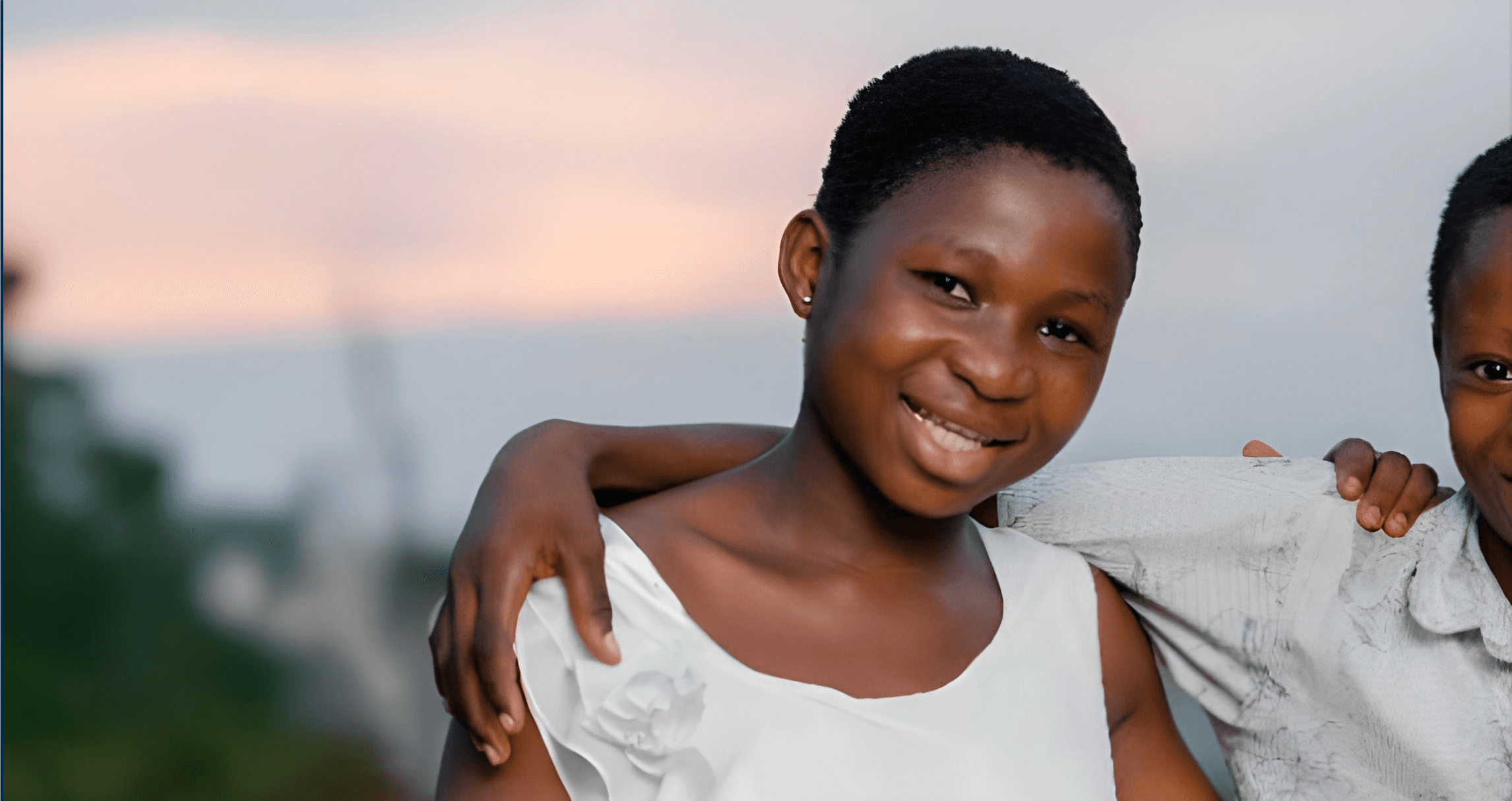
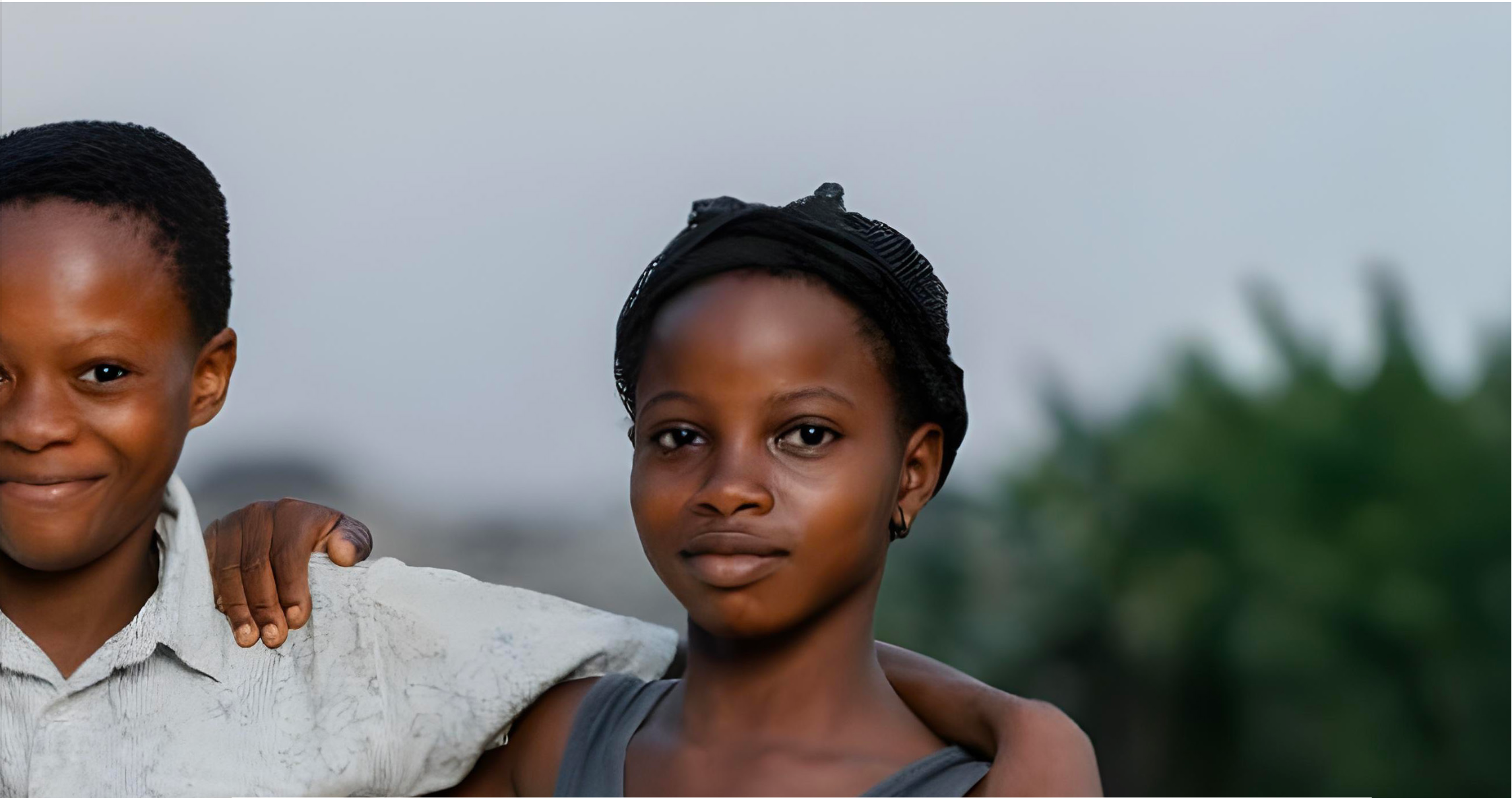
Statistics tell one part of the SURWASH story. The people living it tell another. In communities across Plateau and Katsina States, residents are experiencing the direct impact of infrastructure investment, sanitation provision, and behavioural change programming. These are four of their voices.
Ninfa Danjuma — Plateau State
On the SaTo pan sanitation initiative:
"The SaTo pan is a very good initiative which my family and I have been enjoying. There is a great difference compared to using a pit latrine. Previously, people defecated in the backyard, making us uncomfortable. Now, with the SaTo pan, our backyard is much cleaner. I advise others who can afford it to install one to make the environment cleaner and reduce open defecation. I've noticed fewer diseases caused by flies since the SaTo pan has a cover that prevents flies from carrying faeces to our food. I encourage everyone to not only install but continue using these toilets consistently."
Chundung Pam — Plateau State
On reliable water access in her community:
"We are immensely grateful for the SURWASH programme water project in our community. People can now access clean water and are delighted. The project has reduced diseases we previously faced from drinking contaminated water. Since the supply started, the water has flowed consistently. The water has been clean with no impurities. Our children no longer complain of certain ailments caused by dirty water, and hospital visits have decreased significantly. The pump has not broken down since installation, and we hope it continues working well."
Malam Umar Iro — Kafir, Katsina State
On latrine provision in his community:
"We extend our appreciation to the SURWASH programme and the Katsina State Government for providing latrines in our homes. This initiative represents a significant step towards ending open defecation in our community. We pledge to safeguard these projects from vandalism for the benefit of future generations."
Musa Mamman Abu Baure — Baure, Katsina State
On the local economic impact of the programme:
"We are grateful to the Katsina State Government and World Bank for executing these vital projects and for employing local residents among the workers, which helps reduce unemployment in our area."
A Pattern Across the Testimonies
Read together, these four accounts point to something consistent: the impact of SURWASH is not abstract. Fewer hospital visits. Cleaner compounds. Children who no longer fall ill from dirty water. Young men employed in the construction and maintenance of the very infrastructure their families now depend on.
The programme's community engagement framework — which includes the establishment of Water Consumer Associations (WCAs), WASHCOMs, and Grievance Redress Committees (GRCs) — is designed to ensure that these gains are protected, maintained, and owned by the communities that depend on them.
These voices are the measure of what the programme is for.