SURWASH TRAINS COMMUNICATION OFFICERS ON TELLING BETTER WATER STORIES
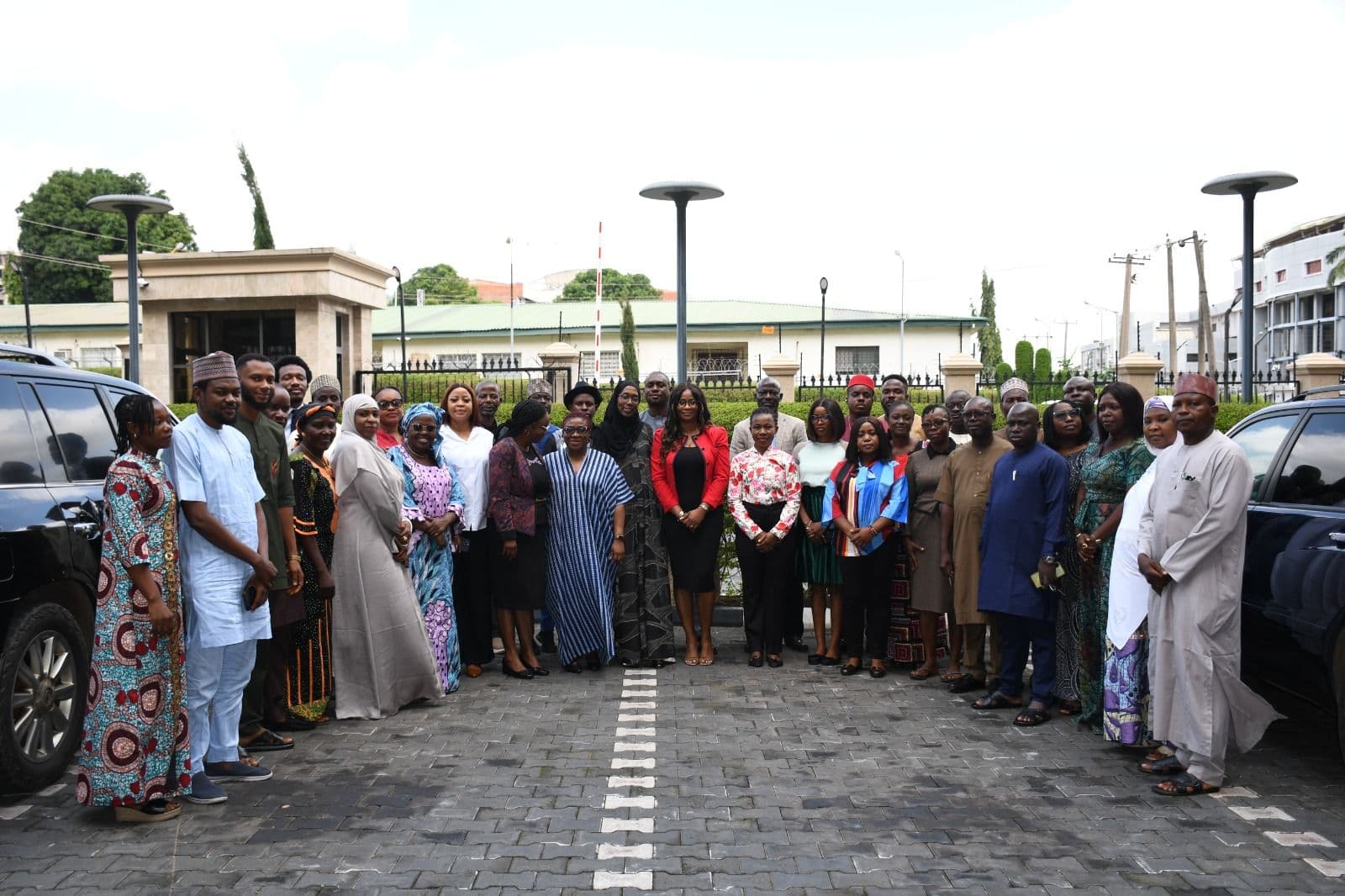
Officers from 14 participating states and the FMWR&S left the room with new skills.

SURWASH TRAINS COMMUNICATION OFFICERS ON TELLING BETTER WATER STORIES
Abuja, August 2026 — Communication officers from across Nigeria gathered at Johnwood Hotel in Abuja for a two-day workshop aimed at one thing: learning how to tell stories that actually move people.
The Sustainable Urban and Rural Water Supply, Sanitation and Hygiene (SURWASH) Program, World Bank-backed initiative working to bring clean water and better sanitation to communities across Nigeria — brought its state communication teams together to sharpen their storytelling skills. And this wasn't the typical sit-and-listen training.
Why Storytelling Matters
For years, development reports have been packed with numbers: boreholes drilled, pipes laid, kilometers covered. But SURWASH is shifting the focus. As Program Coordinator Engr. Abdulhamid Gwaram (represented by David Oyedokun) put it during the opening session, simply counting completed projects isn't enough anymore.
"We need to show the human side," he said. "How does clean water change a mother's day? How does a working toilet restore dignity to a child? That's the story we need to tell."
Hauwa Diagne, who leads the SURWASH team at the World Bank, echoed the same message. She explained that global donors and policymakers don't just want spreadsheets — they want to see real lives being transformed. And that's exactly what this training set out to do.
DAY ONE: THE HEART OF THE STORY
The first day dig into the basics of good storytelling and it starts with something many people overlook: ETHICS.
Chuka Agu, a communications specialist with the World Bank, opened with a powerful reminder: "Get consent. Always."Whether you're snapping a photo with a professional camera or a phone, you need permission before sharing anyone's image or story. He also warned against the tired habit of showing communities only as poor and helpless.
"Show their strength," Agu urged. "Show their resilience. People are more than their problems."
Tosin Kolade, Features Editor at the News Agency of Nigeria (NAN), took it further. She told the room that data gives your story credibility, but people give it meaning. A chart showing improved water access is good. A story about a farmer who can now irrigate her crops because of that water? That's unforgettable.
Olufunke Olufon from Iwa Consulting then broke down what makes a digital story actually work online, clear structure, emotional connection, and language that real people understand. No jargon. No buzzwords. Just honest, human stories.
DAY TWO: FROM IDEAS TO ACTION
Day two was all about doing the work.
Nneotabase Egbe, a communications specialist, pushed officers to find the "hook" that thing that makes someone stop scrolling and actually read. He reminded everyone that public communication should be clear, relevant, and emotional.
Innocent Agboma from Take-out Media kept it real: "If all you have are numbers; you don't have a story. You have a spreadsheet."He urged the team to weave data around real people — the mother who no longer walks miles for water, the school where absenteeism dropped because toilets finally work.
The session on stakeholder engagement, led by Maryam Laushi Da-Silva and Patrick Schindler, showed how good communication doesn't just inform people, it brings them in. Schindler even pointed to Sabesp, Brazil's water company, as proof that strong public engagement can attract global investment and build trust.
WHAT HAPPENS NEXT
By the close of the workshop, Judith Warmate, SURWASH Co-Task Team Lead, sent the officers off with a clear mission: go find the stories. Write them. Publish them. Fill the SURWASH newsletter with voices from the communities they serve.
Officers from seventeen participating states left the room with new skills, fresh energy, and a shared understanding that their job isn't just to report what SURWASH built — it's to show what SURWASH changed.
The Bottom Line: Numbers tell you what happened. Stories tell you why it matters. And SURWASH is betting that better stories will lead to better outcomes — for communities, for donors, and for Nigeria's water future.
Prepared by
Nayiga danjuma
Dauda John Bulah