SURWASH Strengthens Sanitation Behaviour Change Strategies Through BCC Intervention Design Workshop
Behaviour Change Communication (BCC) Intervention Design for LGA-Wide Sanitation Implementation Workshop
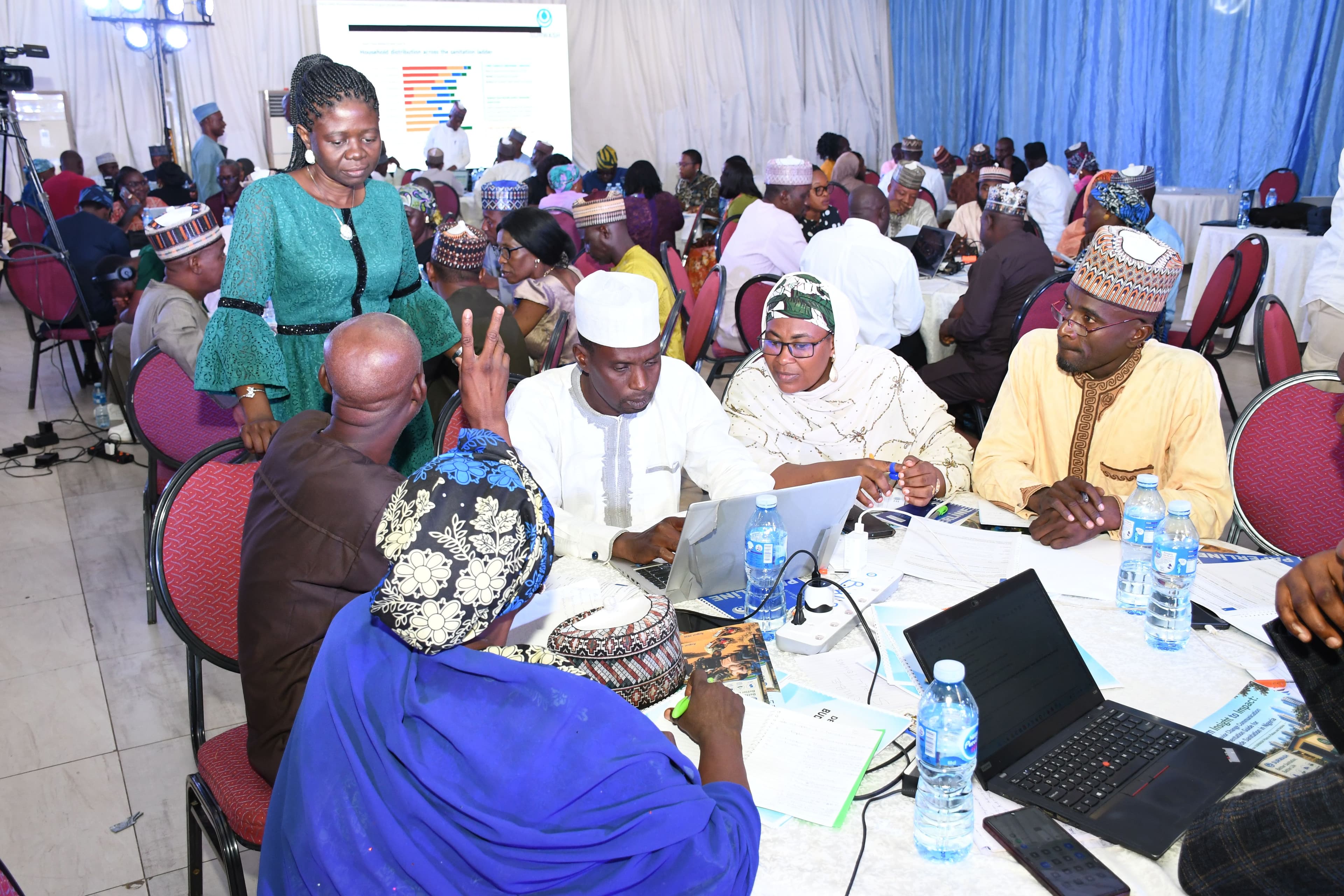

The Nigeria Sustainable Urban and Rural Water Supply, Sanitation and Hygiene (SURWASH) Programme has reinforced its commitment to improving sanitation outcomes through effective behaviour change interventions with the successful conduct of the Behaviour Change Communication (BCC) Intervention Design for LGA-Wide Sanitation Implementation Workshop, held from 24th – 25th August 2026 at Bolton White Hotel, Abuja, Federal Capital Territory (FCT).
The two-day workshop brought together sanitation specialists, Behaviour Change Communication (BCC) officers, Social and Behaviour Change Communication (SBCC) experts, State SURWASH teams, representatives of implementing agencies, development partners, and members of the Federal Programme Coordination Unit (FPCU) to design evidence-based interventions aimed at accelerating Local Government Area (LGA)-Wide sanitation outcomes across participating states.
The workshop forms part of SURWASH's broader strategy to support states in achieving sustainable sanitation service delivery through community-driven approaches that address social norms, behaviours, and barriers influencing sanitation practices.
Speaking during the opening session, Director, Water Quality Control and Sanitation, Mr. Jamilu Habu, mni, emphasized that infrastructure alone cannot guarantee improved sanitation outcomes without corresponding changes in behaviour and community ownership.
"Sustainable sanitation is not merely about constructing facilities; it is about creating lasting behavioural change that encourages individuals, households, and communities to adopt and maintain healthy sanitation practices. This workshop is designed to help us understand what drives behaviour and how best to influence positive change at scale."
Participants were introduced to key concepts in Behaviour Change Communication and human-centred sanitation programming by Sophie Alying and Dr. Yemisi Akpa, including behaviour analysis, audience segmentation, barrier assessment, opportunity mapping, community engagement strategies, and monitoring frameworks for sanitation interventions.
Through a series of interactive technical sessions, participants examined sanitation challenges commonly faced in rural and peri-urban communities and explored practical approaches for designing interventions tailored to local realities. Discussions focused on identifying behavioural determinants, understanding community motivations, leveraging social influence, and promoting collective action toward improved sanitation outcomes.
A major highlight of the workshop was the application of BCC design tools to develop targeted intervention packages for LGA-Wide sanitation implementation. Participants worked in groups to analyse behavioural barriers, identify priority audiences, map opportunities for change, and design communication approaches capable of driving sustained sanitation improvements.
The workshop also emphasized the importance of integrating Behaviour Change Communication within the broader framework of Community-Led Total Sanitation (CLTS), Open Defecation Free (ODF) sustainability efforts, and state sanitation strategies.
According to facilitators, effective sanitation programming requires a shift from awareness creation alone to interventions that influence social norms, strengthen community commitment, and encourage long-term adoption of positive hygiene and sanitation behaviours.
"People do not change behaviour simply because information is available. Sustainable change occurs when interventions address motivations, remove barriers, and create enabling environments that make healthy choices easier and more desirable."
Participants further explored practical methodologies for developing evidence-based communication messages, selecting appropriate communication channels, engaging traditional and community leaders, and measuring behavioural outcomes to ensure continuous learning and programme improvement.
The workshop culminated in the development of draft BCC intervention frameworks that will guide LGA-Wide sanitation implementation efforts across participating states. These frameworks are expected to support state teams in designing context-specific sanitation campaigns capable of accelerating progress toward Open Defecation Free (ODF) status and improving public health outcomes.
At the close of the workshop, participants reaffirmed their commitment to strengthening behaviour-centred sanitation programming and fostering stronger collaboration among stakeholders responsible for sanitation service delivery.
The Task Team Leader, Awa Ndeye Diagne commended participants for their active engagement and noted that the knowledge and tools acquired during the workshop would contribute significantly to the achievement of national sanitation targets and the sustainability of investments under the Programme.
As Nigeria continues to advance towards universal access to safely managed sanitation services, initiatives such as the BCC Intervention Design Workshop demonstrate SURWASH's commitment to addressing both the infrastructural and behavioural dimensions of sanitation development, ensuring that communities not only gain access to sanitation facilities but also adopt and sustain the practices necessary for healthier and more resilient lives.
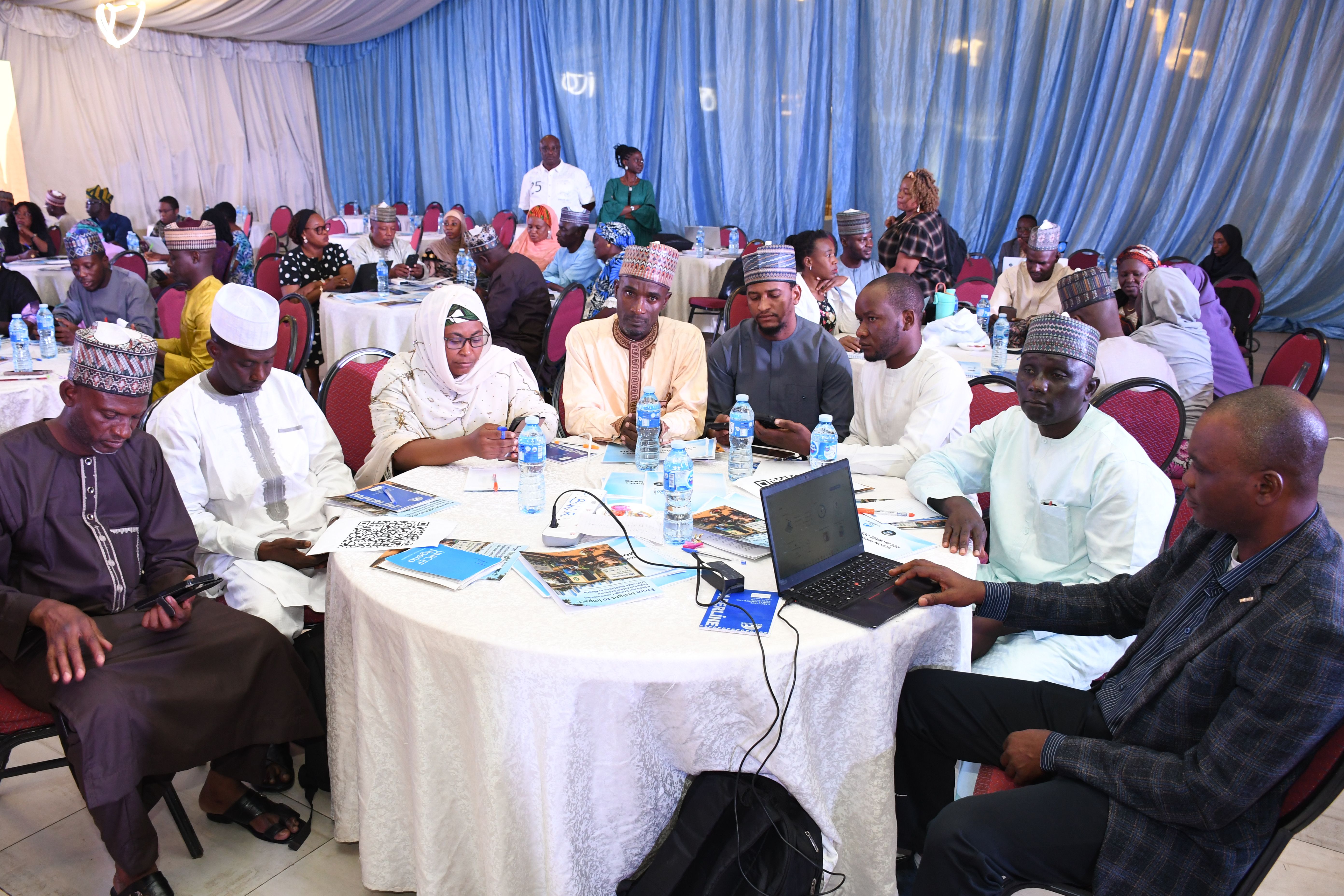
Participants during the Behaviour Change Communication (BCC) Intervention Design for LGA-Wide Sanitation Implementation Workshop organized by the SURWASH Programme in Abuja from 24–25 August 2026, where state and federal stakeholders developed evidence-based strategies to accelerate sanitation behaviour change and support LGA-Wide sanitation outcomes across participating states.