
Building Sustainable Water Systems: Gombe Strengthens Community Oversight of Urban Water Facilities
Gombe State Water Board, under SURWASH Programme, trained pump/Valve operators, security staff and water consumers Associations (WCAs) on sustainable solutions.
Access to reliable and sustainable water supply remains fundamental to public health, economic productivity and the overall well-being of communities. For the Gombe State Government, ensuring that residents have access to safe and dependable water goes beyond the construction of infrastructure; it also involves putting in place the systems, institutions and community structures required to keep such facilities functional over the long term.
It is against this backdrop that the Gombe State Water Board (GSWB), under the NG-SURWASH Programme, organised a training workshop for caretakers and community stakeholders responsible for urban water facilities across the state.
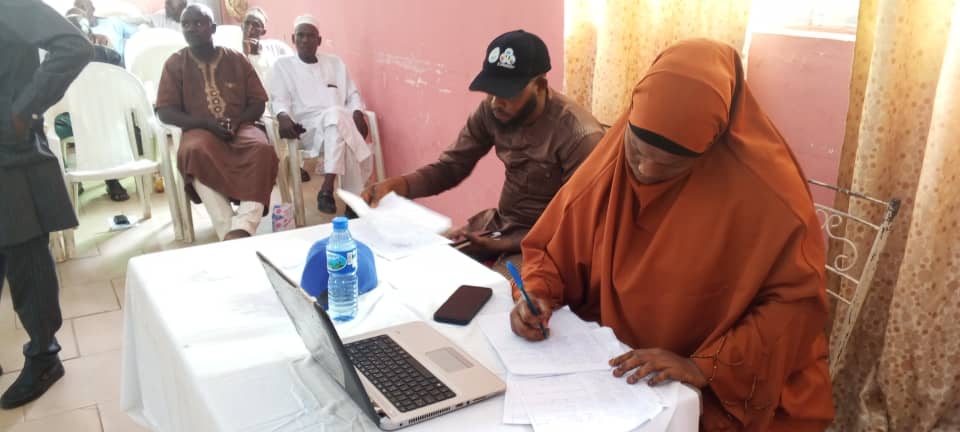
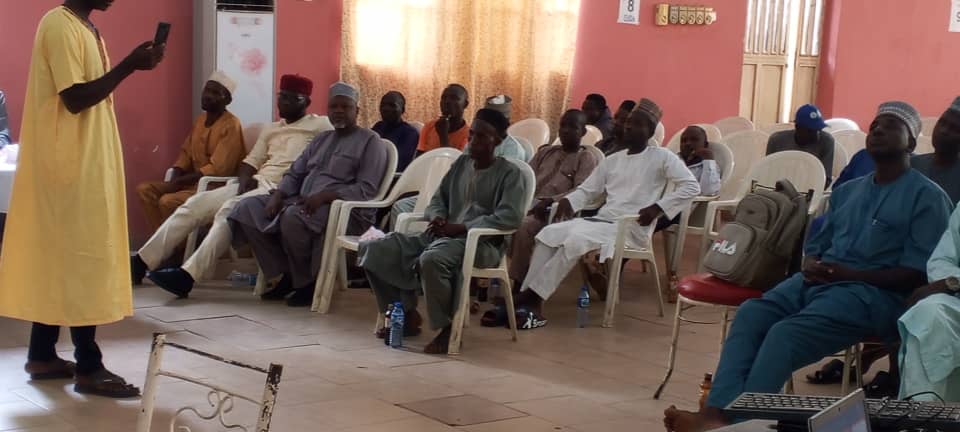
Held at Abmar Hall, opposite the Federal Teaching Hospital, Gombe, the workshop, themed “Strengthening Community Oversight for Sustainable Urban Water Facility,” brought together key stakeholders with direct responsibilities for the operation, protection, maintenance and oversight of water infrastructure.
The initiative reflects an important dimension of the state’s approach to sustainable water provision: empowering communities to become active partners in protecting and managing the infrastructure designed to serve them.
Participants included pump operators, valve operators, security personnel, Water Consumers Associations (WCAs), as well as executive members of the associations, including chairmen, secretaries, women leaders and representatives of Persons Living with Disabilities (PLWDs).
The training was designed to strengthen the capacity of these stakeholders to effectively discharge their respective responsibilities while promoting accountability, community participation and a stronger sense of ownership of public water facilities.
For water infrastructure to deliver its intended benefits, the availability of physical facilities is only one part of the equation. Regular operation and maintenance, timely identification and reporting of faults, protection against vandalism and effective community monitoring are equally critical.
Facilitators at the workshop therefore underscored the importance of proper operation and maintenance of water facilities and encouraged participants to promptly report faults and other challenges that could affect service delivery.
They also stressed the need for stronger collaboration between communities and the Gombe State Water Board, recognising that sustainable water services require continuous engagement between service providers and the people who depend on them.
The emphasis on community oversight is particularly significant because water facilities are ultimately established to serve communities. When residents understand their responsibilities and actively participate in monitoring and protecting infrastructure, they become an important line of defence against vandalism, neglect, and avoidable deterioration.
The workshop also placed considerable emphasis on inclusive water governance. The participation of women and representatives of PLWDs in Water Consumers Associations was highlighted as essential to ensuring that decisions affecting access to water reflect the needs and perspectives of different segments of society.
Such inclusiveness strengthens transparency and accountability while promoting equity in the management of a resource that is essential to every household, regardless of gender, social status, or physical ability.
The engagement is part of the broader objectives of the NG-SURWASH Programme, which seeks to strengthen institutions and communities while improving the sustainability and reliability of water supply services.
For Gombe State, this approach complements ongoing efforts to improve water infrastructure and expand access to dependable water services. By combining infrastructure development with capacity building, community participation and institutional strengthening, the government is seeking to ensure that investments in the water sector translate into lasting benefits for residents.
The focus, therefore, is not simply on providing water facilities, but on building a sustainable system around them, one in which government institutions, community structures and residents share responsibility for ensuring that facilities remain functional and accessible.
At the conclusion of the workshop, participants expressed their commitment to applying the knowledge and skills acquired and strengthening community ownership and oversight of water facilities within their respective communities.
The message from the engagement is clear: sustainable water provision is a shared responsibility. Government can provide the infrastructure and institutional support, but its long-term success depends significantly on effective management, community ownership, responsible use, and collective protection.
Through initiatives such as this, Gombe State is strengthening the human and community capacity needed to ensure that investments in water infrastructure endure, services remain reliable, and more residents can enjoy sustainable access to this essential resource.
Hauwa Abubakar Jijji
I&PRO GSWB.